There is a moment most of us have had.
You are at the market. You pick up a mango, or a tomato, or a bunch of spinach. The label says organic. You feel good about it. You bring it home, take a bite, and something is missing. You cannot name what exactly. But the food does not taste like it is supposed to. Like it once did. Like it does in the memory of something your grandmother made, from something she grew, or bought from someone she knew.
You put it down. You wonder if you imagined it.
You did not.
The label tells you what was left out. Not what was put in.
The organic certification is a legal definition. A very specific one. It tells you what a farmer was not allowed to use. No synthetic fertilisers. No prohibited pesticides. No sewage sludge. These are meaningful restrictions. They matter. We are not arguing otherwise.
But here is what the organic label does not tell you.
It does not tell you about the soil. Whether it is alive or dead. Whether it contains the fungi, bacteria, and microorganisms that are the actual mechanism through which a plant absorbs nutrition. It does not tell you whether the mango you are holding was picked weeks before it was ripe and shipped across the country in a cold chain. It does not tell you whether the farm grows one crop in repeating rows until the land is exhausted, or whether it is a living, layered system the way nature designed.
A farm can be certified organic and still grow food in depleted, biologically dead soil. A farm can follow every rule on the national list of allowed substances and still produce food that has forgotten what it was supposed to be.
The label tells you what was left out. It tells you almost nothing about what was built.
What happened to the food itself
This is not a feeling. It is documented.
A landmark study published in the Journal of the American College of Nutrition examined nutritional data for 43 fruits and vegetables between 1950 and 1999. It found significant declines in six nutrients across the board, with some vegetables showing up to 38% decreases in riboflavin and 15% decreases in vitamin C.
More recently, a comprehensive review in the journal Foods found something harder to sit with. Important commercial fruits including mangoes, apples, oranges, and guava have lost their nutritional density by up to 25 to 50 percent over the last 50 to 70 years. The same research found that iron levels in common crops fell by 50 percent between 1940 and 2019. Copper dropped by 49 percent. Sodium by 52 percent.
Think about what that means. The mango your grandmother ate had roughly twice the iron of the one sitting in your fruit bowl today. Not because anyone did something terrible. Because the farming system quietly optimised for the wrong thing. Yield. Size. Shelf life. Speed.
The major reason for the variation appears to be that novel crop varieties have been introduced over the decades that produce additional yield and pest resistance but carry lower levels of nutrients.
We bred the nutrition out of the food. Slowly. Invisibly. And then we put a label on it and called it healthy.
The thing underneath everything: the soil
Ask why food has lost its nutrition and you always end up in the same place.
The soil.
The main causes behind the decline in nutritional density are the need to improve soil biodiversity and fertility. Not the pesticides themselves. Not the varieties themselves. The living system underneath that makes nutrition possible in the first place.
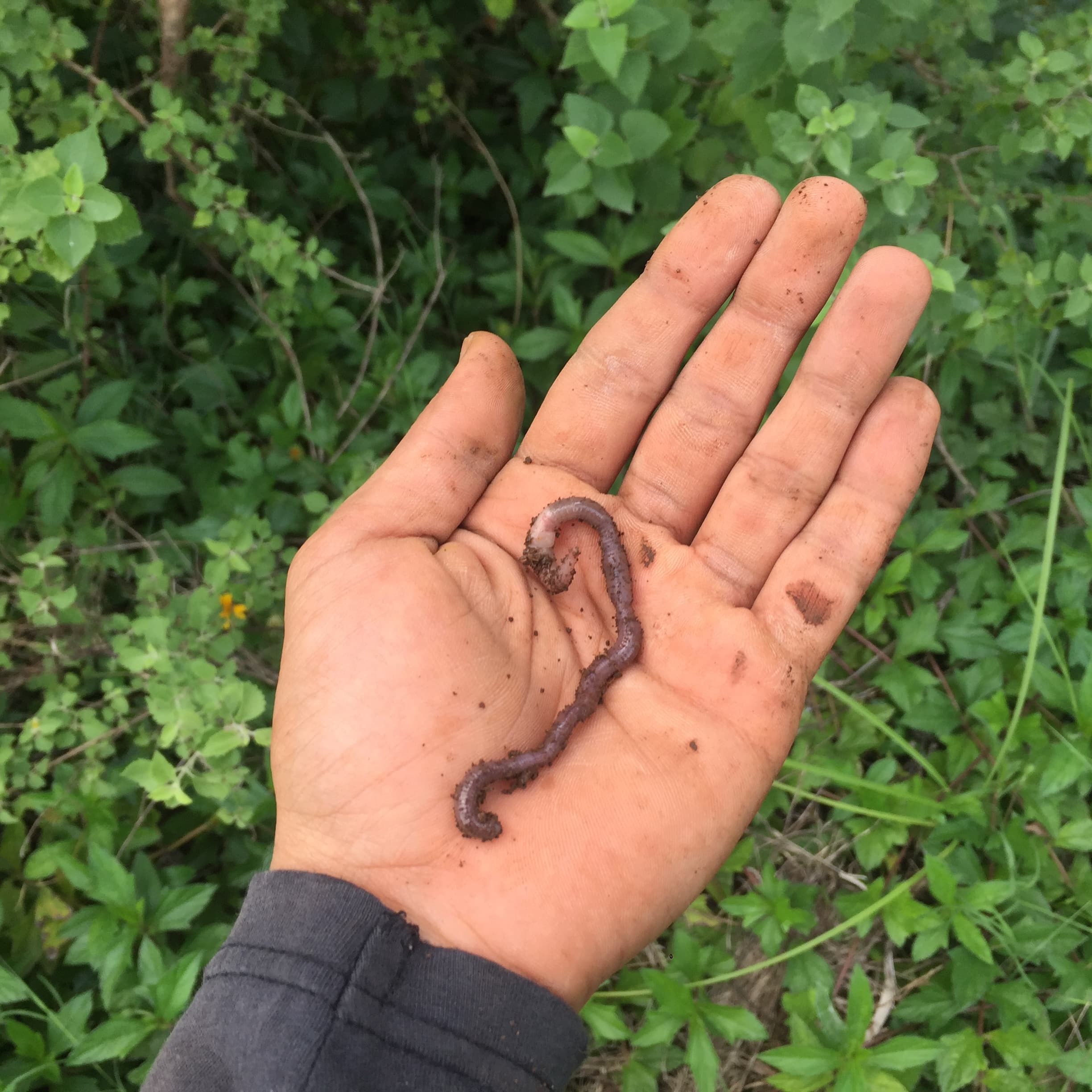
Healthy soil is not dirt. It is an ecosystem of extraordinary complexity. One teaspoon of living soil contains more microorganisms than there are people on earth. Among the most important of these are mycorrhizal fungi, the thread-like networks that extend a plant's root system by hundreds of times, reaching minerals and nutrients that roots alone could never access. These fungi do not just feed the plant. They are the mechanism through which the plant becomes nutritious food.
When you spray synthetic inputs into that system, you begin to kill it. Not immediately. Not dramatically. But slowly, season by season, the living network breaks down. The plant still grows. It still looks like food. It still passes certification. But the quiet underground work that turns soil minerals into human nutrition is no longer happening the way it was designed to.
Pesticides and herbicides can negatively impact soil health by harming beneficial microbes that contribute to nutrient cycling and availability.
An organic farm that does not actively build soil life is still producing food from a broken system. A less broken system, perhaps. But broken nonetheless.
The ripening question nobody asks at the supermarket
There is another piece of this that has nothing to do with soil.
The mango that disappoints you was almost certainly picked before it was ripe. Not because the farmer was careless. Because the supply chain demands it. Fruit picked green survives the truck, the cold storage, the distributor, the shelf. Fruit picked ripe does not.
What is lost in that transaction is not just flavour.
Sugar development, vitamin synthesis, and the aromatic compounds that give a fruit its character only fully form when the fruit completes its natural ripening on the tree. A mango gassed with ethylene or calcium carbide to fake ripeness will soften on cue. It will turn the right colour. It will not have developed the nutritional complexity that only time on the tree, in the sun, connected to a living root system, can produce.
You cannot rush that process and keep what it makes. It is not possible.
The organic label has nothing to say about any of this. A fruit can be certified organic and still be picked green and gassed. The certification was never designed to address it.
What we think about instead
At Zakoji, we do not use the organic label. Not because we use chemicals. We do not use a single one. But because the label answers a question we stopped finding interesting a long time ago.
The question we ask is different. Not what did we leave out of this food? But what did we build that makes this food what it should be?
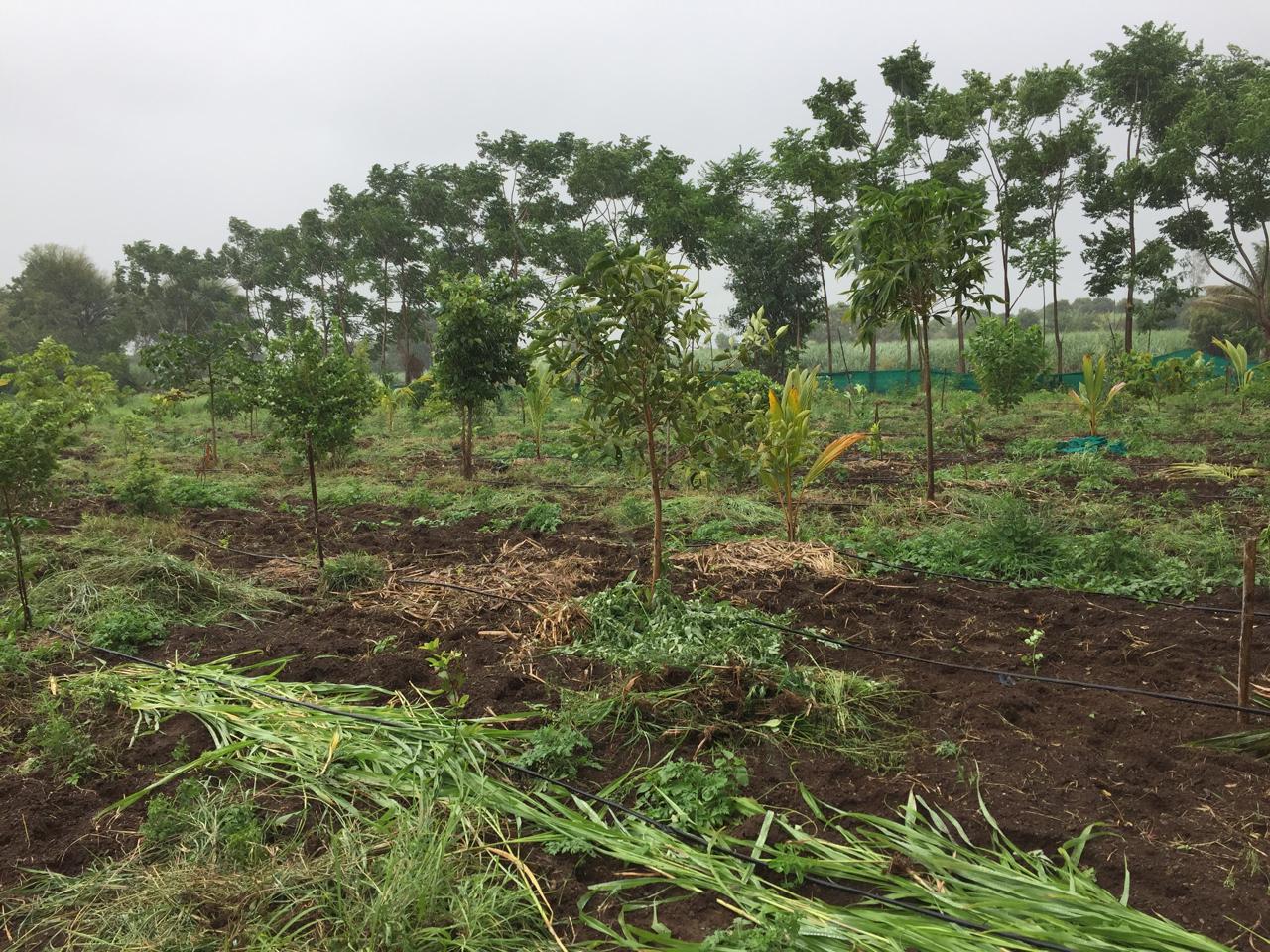
That means starting with soil. Living soil, with the full ecosystem of microorganisms intact. It means growing in a food forest system, where multiple species of plants, trees, and organisms exist in relationship with each other the way nature intended, each one making the others stronger. It means waiting for the fruit to ripen on its own terms, on the tree, in its own time. Not when the truck is leaving.
It means partnering only with farmers who are asking the same questions we are. Farmers who began, like us, by being unwilling to accept the assumptions everyone else had stopped questioning.
The result is not food that passed a test. It is food that completed a process.
The taste is different. The smell is different. The colour is different.
The nutrition is different.
Not because we added anything. Because we protected everything nature was already building.
What food is supposed to feel like
Somewhere along the way, we forgot.
We outsourced the question of food quality to certification bodies and labels and marketing claims. We learned to look for the right words on the packet rather than trusting what was in the bite.
The organic label was a step forward. A genuine one. But it was a step toward less harm. Not toward the most natural, most nourishing form of what food can be.
That destination is further down the road. It requires asking harder questions than a label is designed to answer.
It requires knowing your soil. Knowing your farmer. Knowing that the fruit in your hand finished ripening where it grew.
It requires, at its root, seeking the truth about how food is actually made, not just how it is allowed to be labelled.
That is what we are trying to do at Zakoji. We do not always have all the answers. But we have not stopped asking.
Food that tells the truth
When food is grown without shortcuts, it does not need a claim. The taste, the smell, the colour, the nutrition. They already say everything.