Biodiversity

A living library of the diverse plants, insects and animals that shape, support, and sustain our regenerative forest ecosystem.
Biodiversity

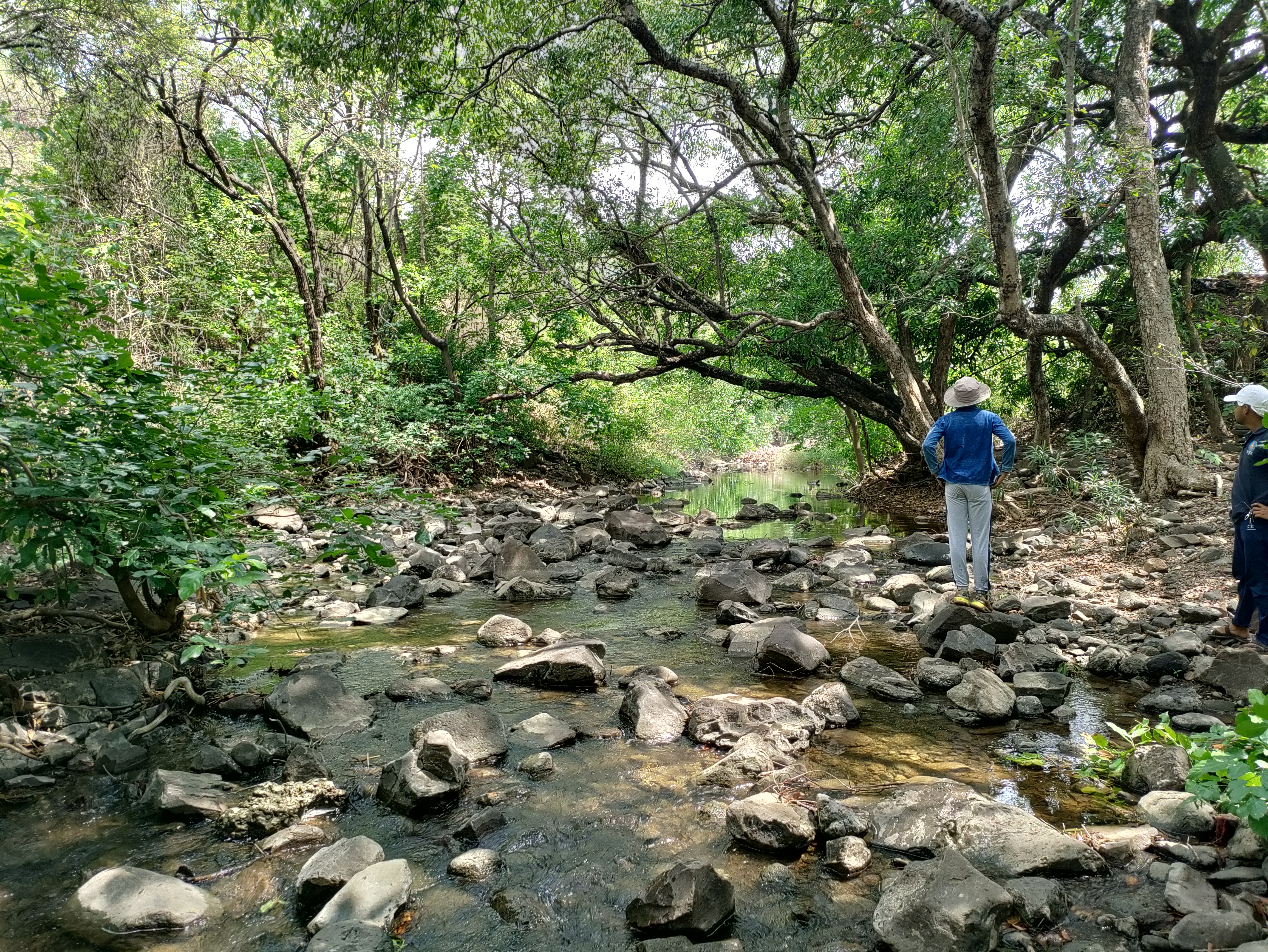
At The Zakoji Farm, diversity isn’t just a feature, it’s the foundation. Every plant we grow plays a role in a greater ecological symphony: some fix nitrogen, others climb, some shield the soil, and many feed not just us, but the entire web of life. We don’t select species based on trends or yield alone, we select for function, harmony, and resilience.

This section catalogs the plants that make up our living system, each carefully chosen to support our closed-loop, soil-first, truth-seeking approach to farming. From towering canopy trees to humble ground covers, this biodiversity isn’t just beautiful, it’s intentional, interdependent, and regenerative.

And with this vibrant plant life comes a thriving world of insects, birds, and animals. Pollinators hover between blooms, predators keep pests in check, and small mammals and reptiles move quietly through the understory. We see butterflies resting on lemongrass, frogs singing from the compost, and birds nesting in the arms of neem and mango. None of it is separate. The biodiversity of species above the soil is inseparable from the life teeming below it.

Note: This is not an exhaustive list. We’ll continue updating it with more plants, insects, birds, and animals over time.

Canopy
Mango
Mango
Called 'The King of Fruits', this dense canopy provider supports shade and microclimates while yielding beloved fruit.
Neem
Neem
Revered as 'Nature's Pharmacy', its leaves and oil offer powerful pest-repelling benefits and medicinal properties.
Jamun
Jamun
Prized for diabetic health benefits, its deep roots stabilize soil while the fruit is rich in antioxidants.
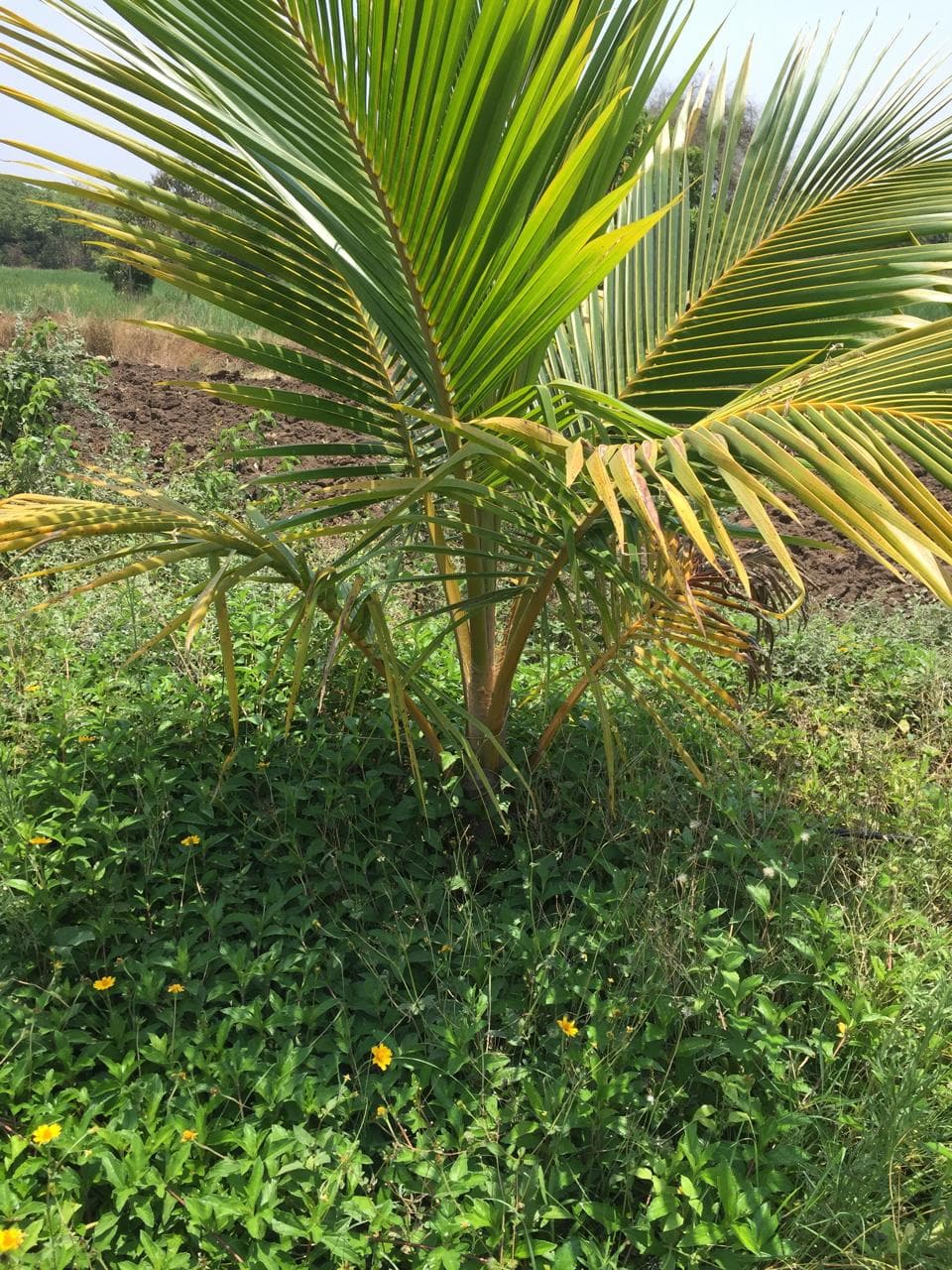
Coconut
Coconut
Ideally known as the 'Tree of Life', it provides water, oil, fiber, and mulch in one single resilient species.
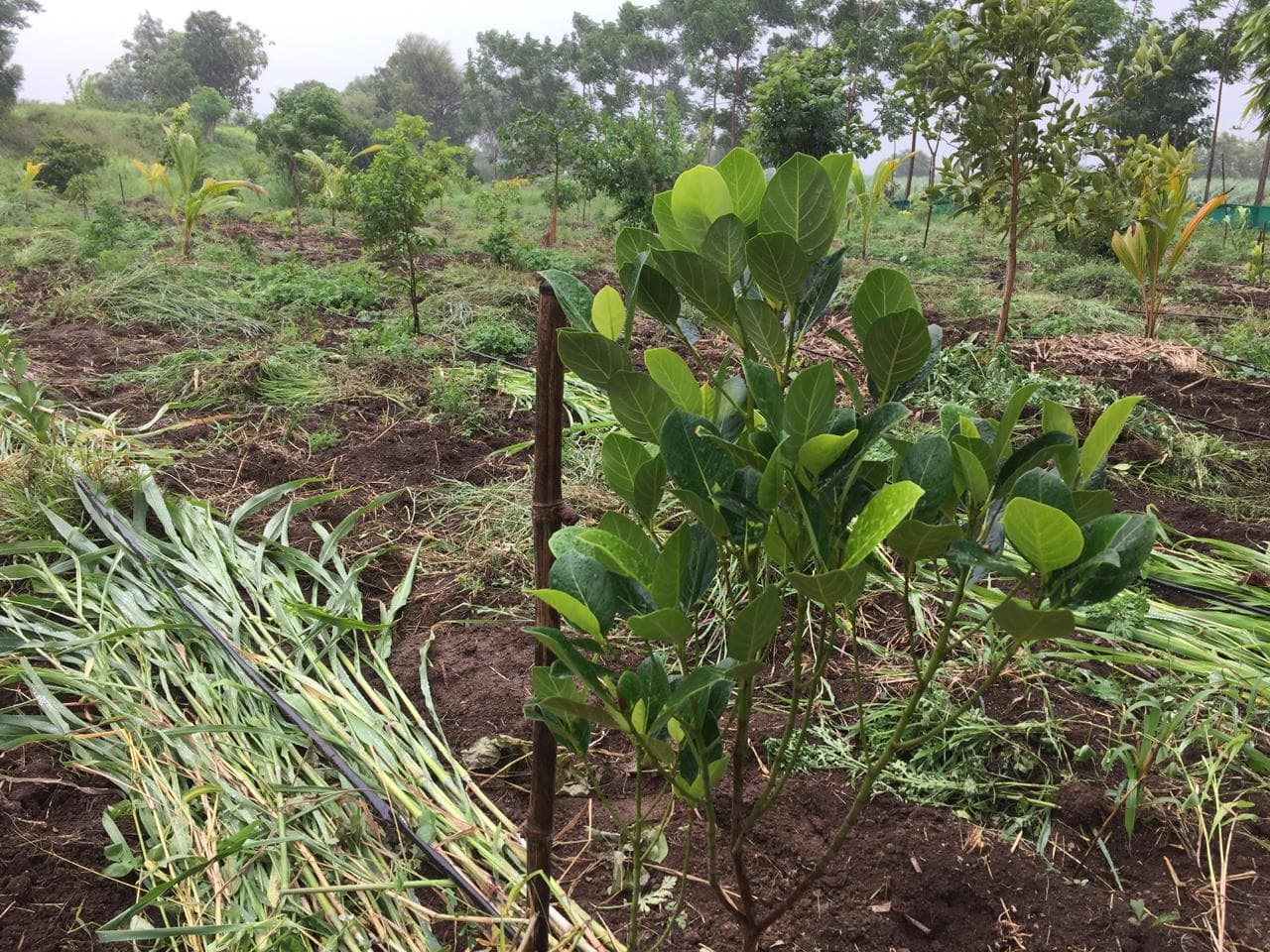
Jackfruit
Jackfruit
Produces the largest tree-borne fruit in the world, serving as a resilient food source and shade provider.
Red Sandalwood
Red Sandalwood
A hardy deciduous tree valued for its rich red timber and soil-enriching leaf litter, supporting biodiversity in dry landscapes.
Sub-Canopy
Guava
Guava
A fast-growing tree with four times the Vitamin C of oranges, bridging the gap between canopy and ground layers.
Curry Leaf
Curry Leaf
Aromatic leaves essential to Indian cuisine, this hardy sub-canopy dweller repels certain pests naturally.
Moringa
Moringa
Known as the 'Miracle Tree', its leaves contain more protein than yogurt and more potassium than bananas.
Mulberry
Mulberry
Fast-growing and berry-producing, it feeds both silkworms and humans while rapidly generating biomass.
Papaya
Papaya
Provides fruit in less than a year, with large leaves that accelerate compost breakdown when dropped.
Lemon
Lemon
Its fragrant white blooms are a favorite of honeybees, while the fruit offers year-round zest.
Herbs and Shrubs
Red Banana
Red Banana
A striking cultivar with reddish skin and sweeter fruit, offering quick biomass and rich mulch.
Lemongrass
Lemongrass
Contains citral oil which naturally repels mosquitoes while stabilizing soil on slopes.
Banana
Banana
The world's largest herb (not a tree), it provides fruit, fiber, and immense organic matter for the soil.
Areca Palm
Areca Palm
One of the most effective air-purifying plants, adding vertical texture and filtering sunlight.
Miracle Berry
Miracle Berry
Contains miraculin, a glycoprotein that temporarily makes sour foods taste sweet.
Sunflower
Sunflower
Its deep taproots break up compacted soil while the flower heads track the sun across the sky.
Nitrogen Fixers
Ice Cream Bean
Ice Cream Bean
Named for its sweet cottony pulp, this nitrogen-fixer rapidly builds soil fertility.
Pigeon Pea
Pigeon Pea
A permaculture staple that fixes nitrogen, breaks clay soil, and provides protein-rich pulses.
Casuarina
Casuarina
A pine-like tree that fixes nitrogen through Frankia bacteria, excellent for windbreaks.
Groundcover
Singapore Daisy
Singapore Daisy
A vigorous groundcover that quickly blankets bare soil, suppressing weeds and retaining moisture.
Pineapple
Pineapple
A bromeliad that captures water in its leaves, perfectly suited for understory planting.
Nasturtium
Nasturtium
Edible peppery leaves and flowers that act as a trap crop, luring aphids away from other plants.
Pollinators and Beneficials Insects
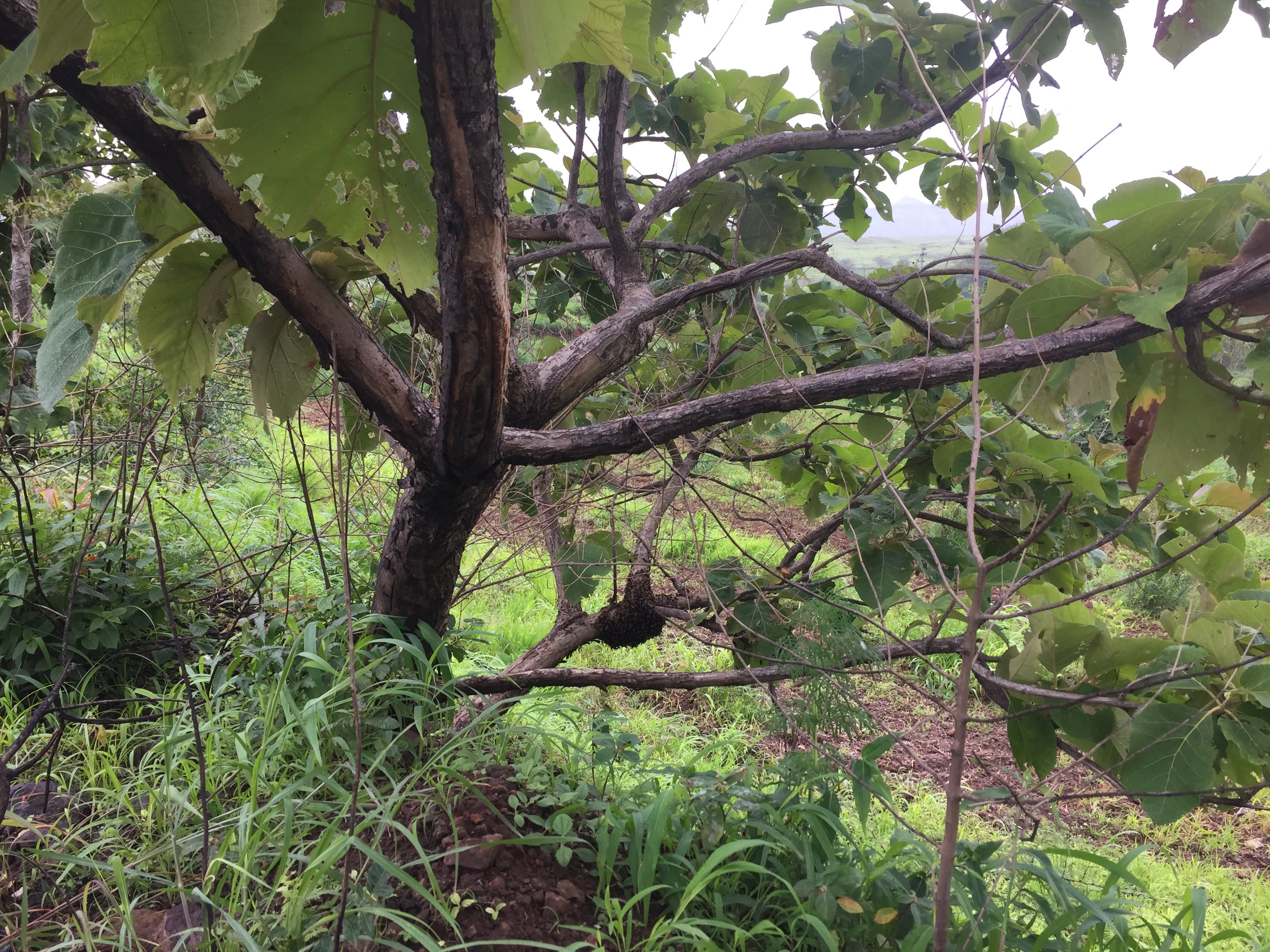
Honey Bee
Honey Bee
A single colony can pollinate millions of flowers daily, serving as the tireless engine of the ecosystem's productivity.
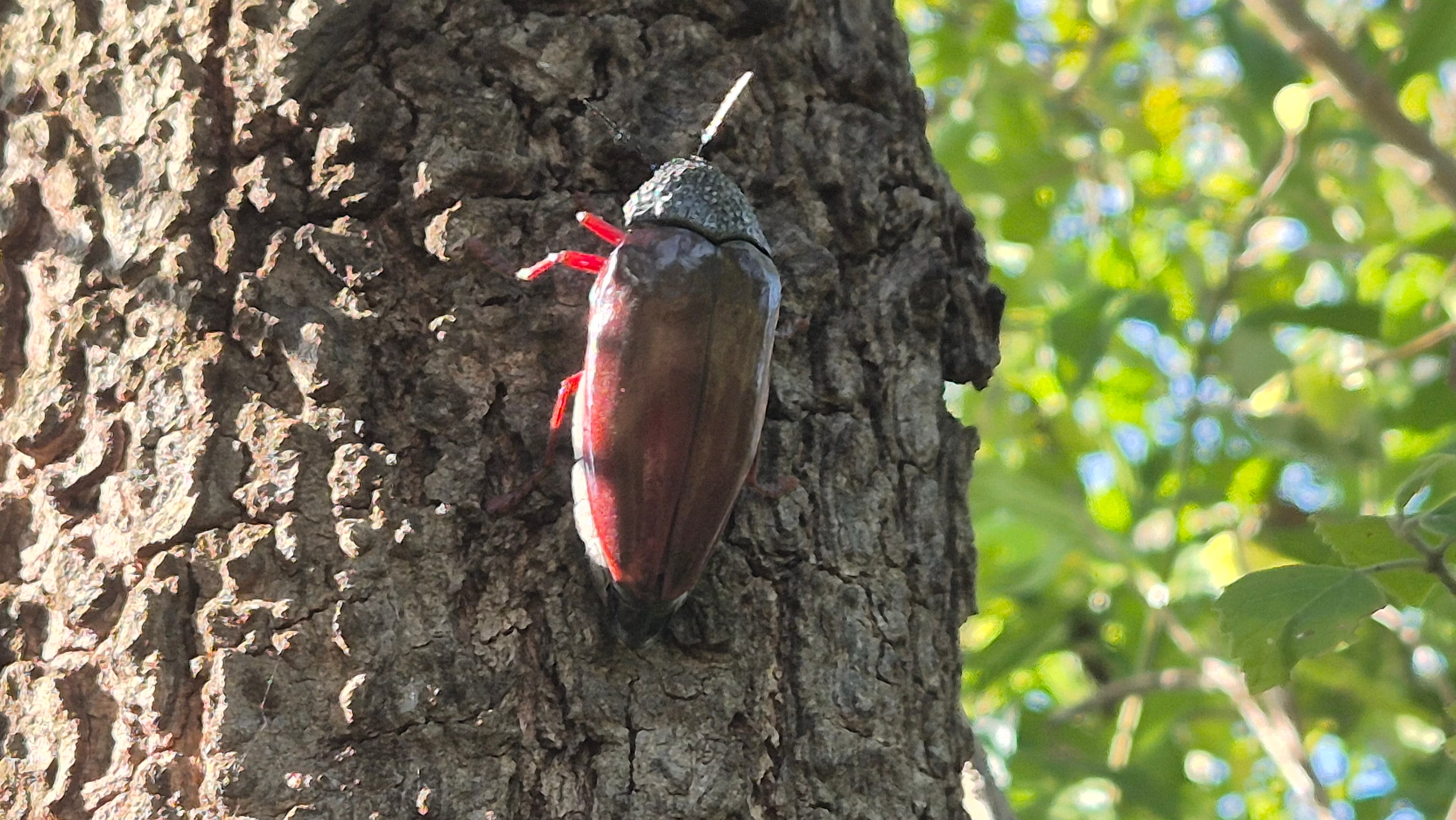
Jewel Beetle
Jewel Beetle
One of the most beautiful beetles in the world, the Jewel Beetle is a master pollinator, feeding on nectar and pollen while transferring pollen between flowers.
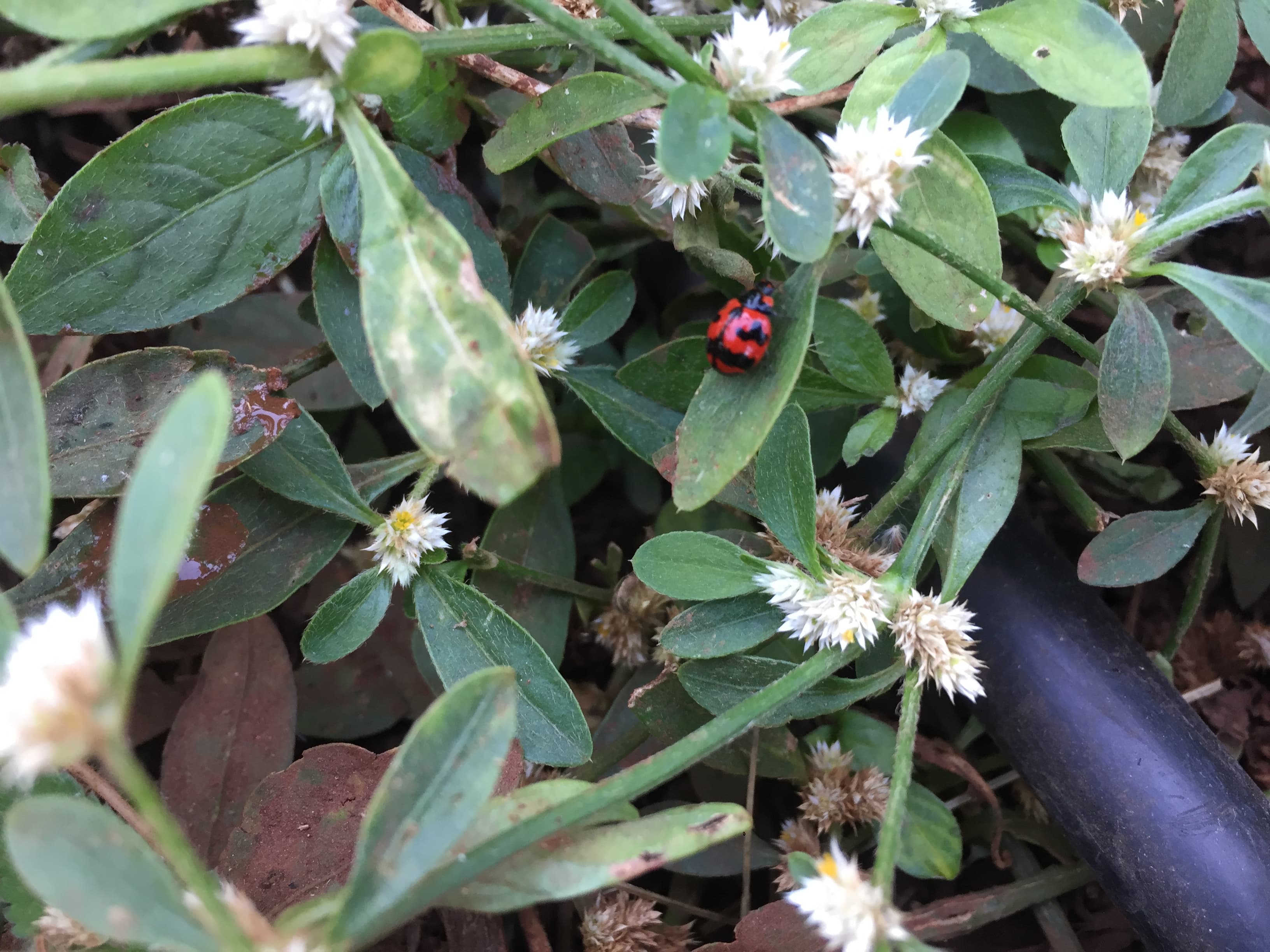
Red Lady Bug
Red Lady Bug
A voracious predator of aphids and mites, a single beetle can consume over 5,000 pests in its lifetime.
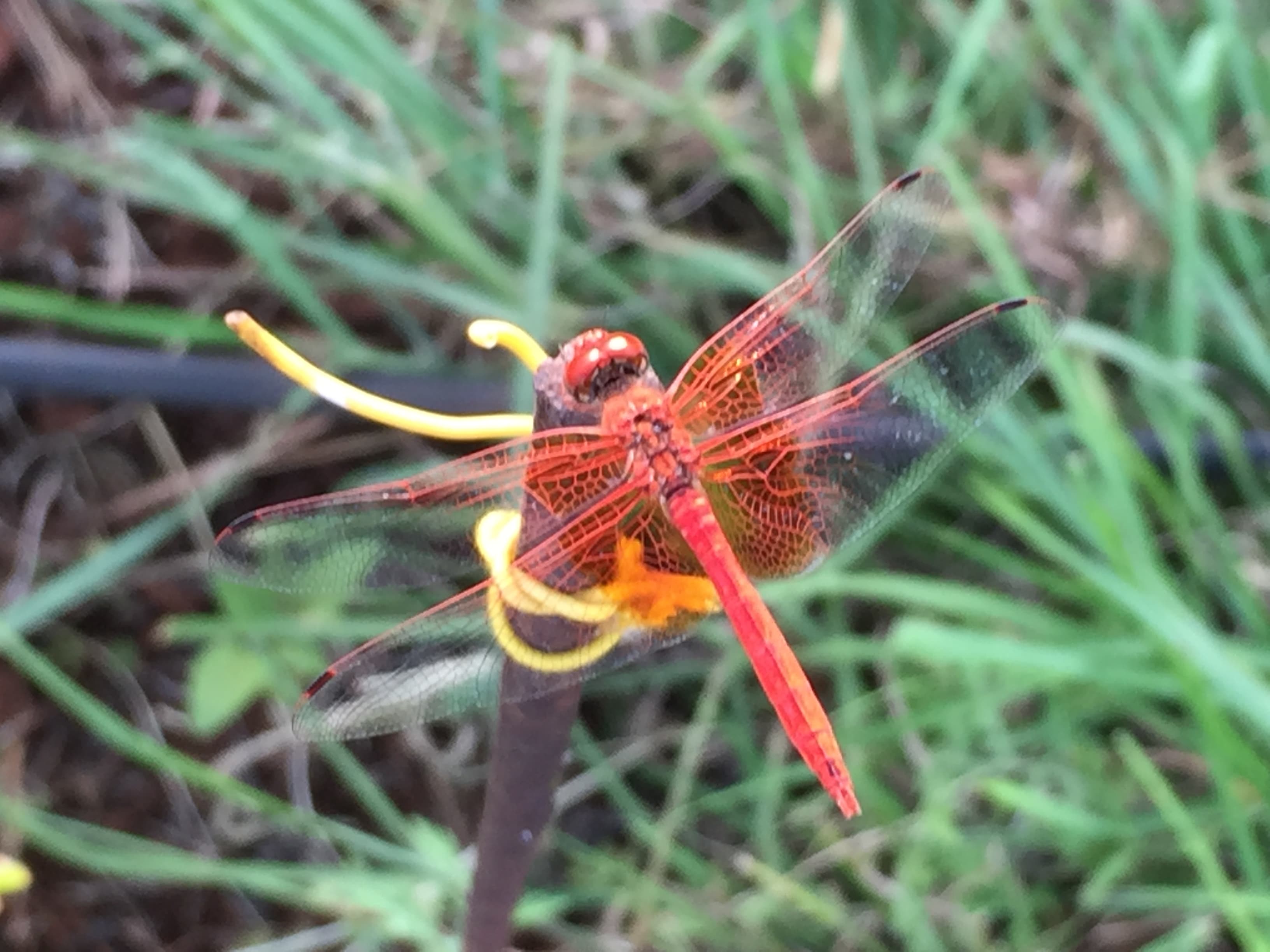
Dragonfly
Dragonfly
One of nature's most efficient hunters with a 95% success rate, they keep mosquito populations in check.
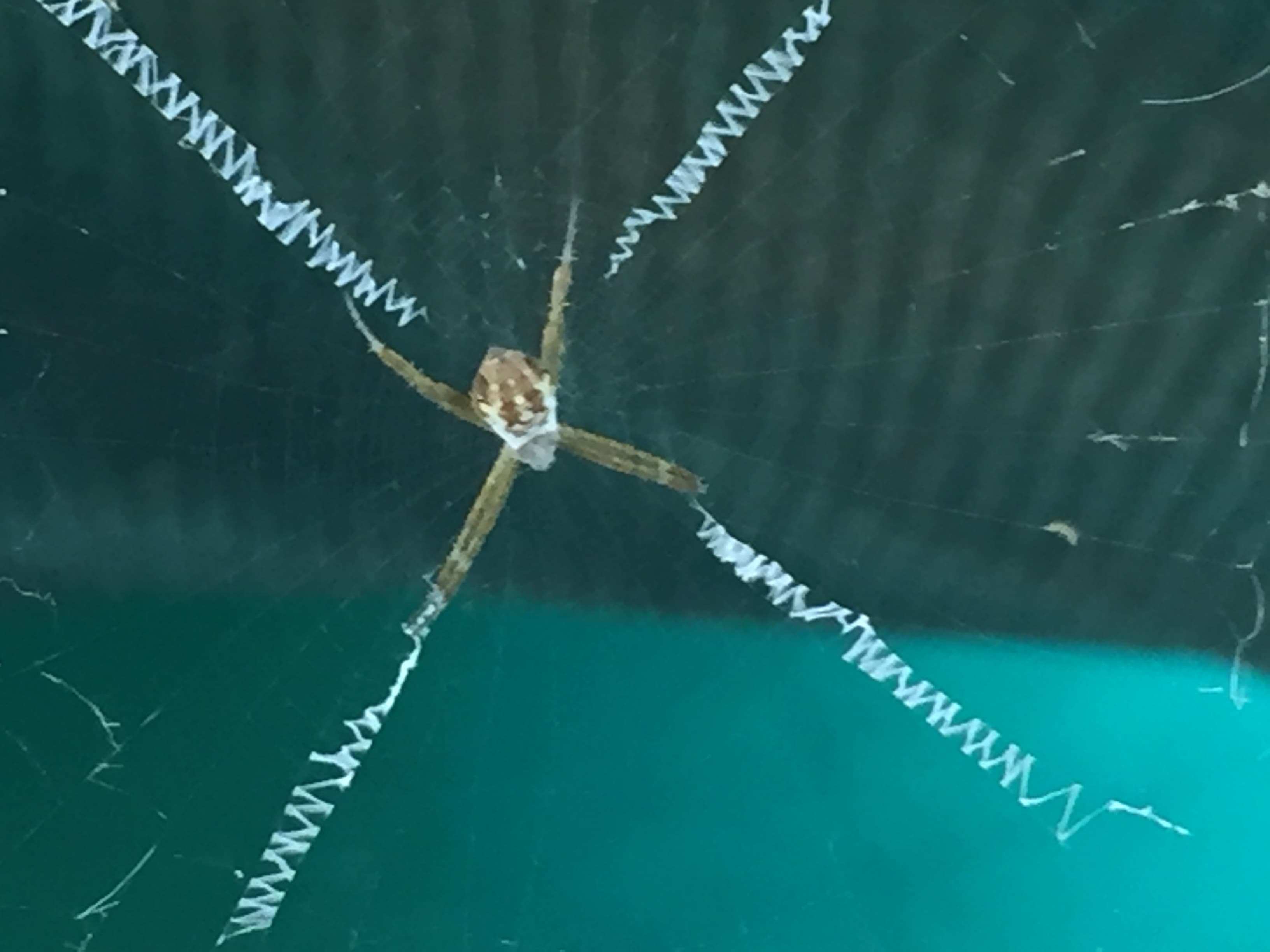
Orb Weaver Spider
Orb Weaver Spider
Master architects that rebuild their intricate circular webs daily to catch flying pests.
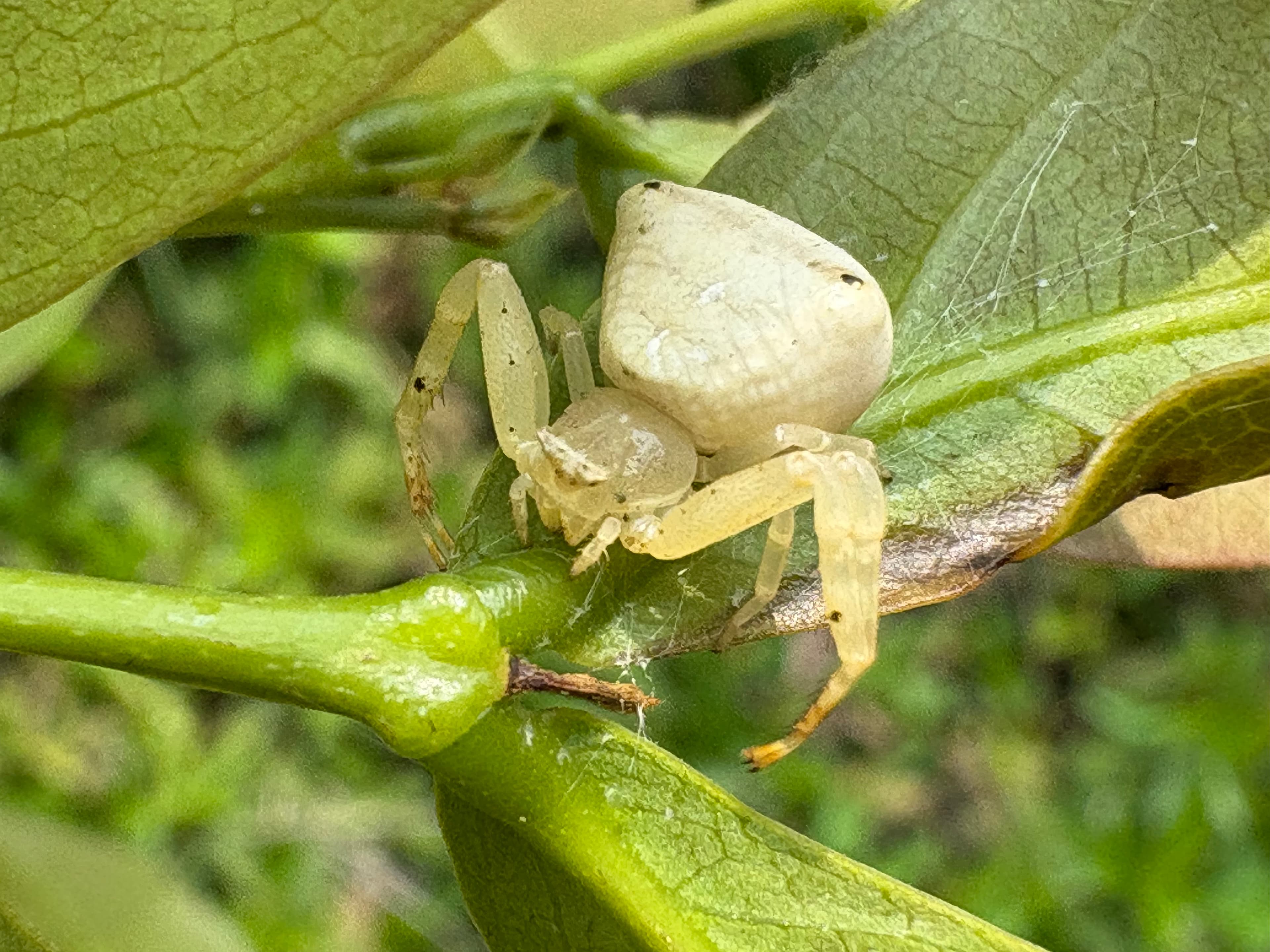
White Crab Spider
White Crab Spider
An ambush predator that can change color to match the flower it sits on while waiting for unsuspecting pests.
Wildlife and Birds
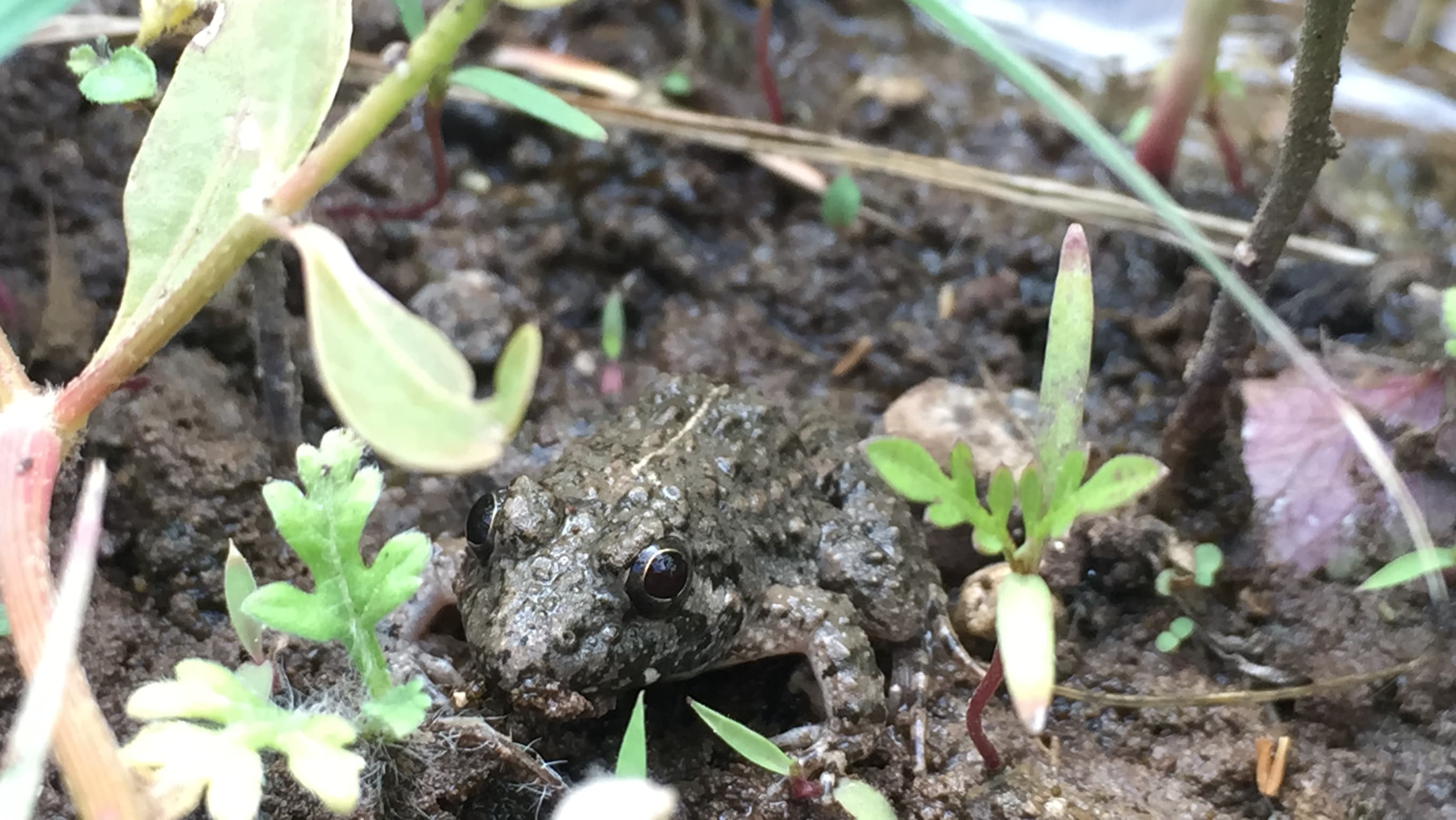
Indian Burrowing Frog
These amphibians are nature's pest control, feasting on insects and larvae, helping to maintain the delicate balance of the ecosystem.
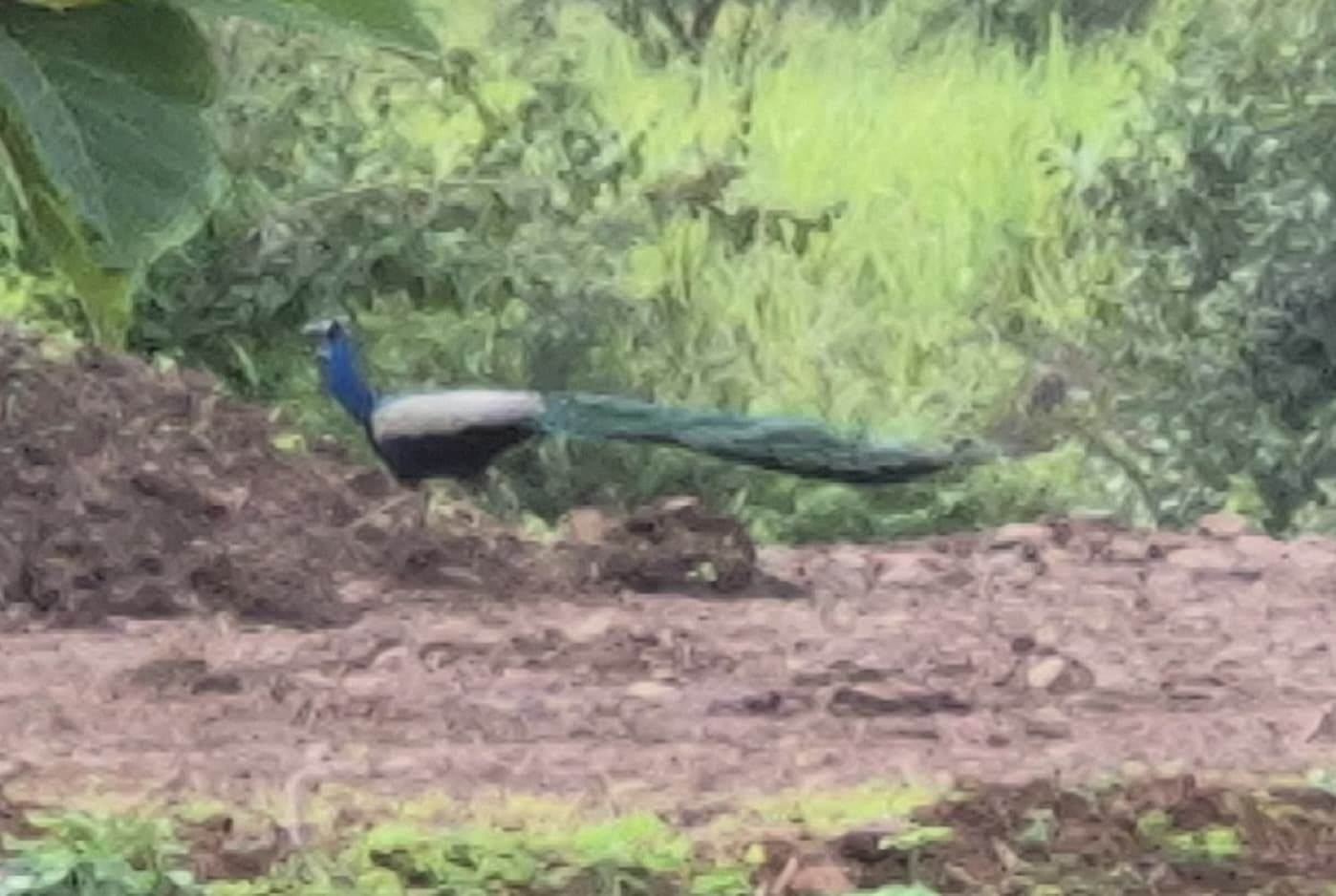
Peacock
Peacock
Peacocks are a symbol of grace and beauty, and their presence in our ecosystem is a testament to the health of our environment.
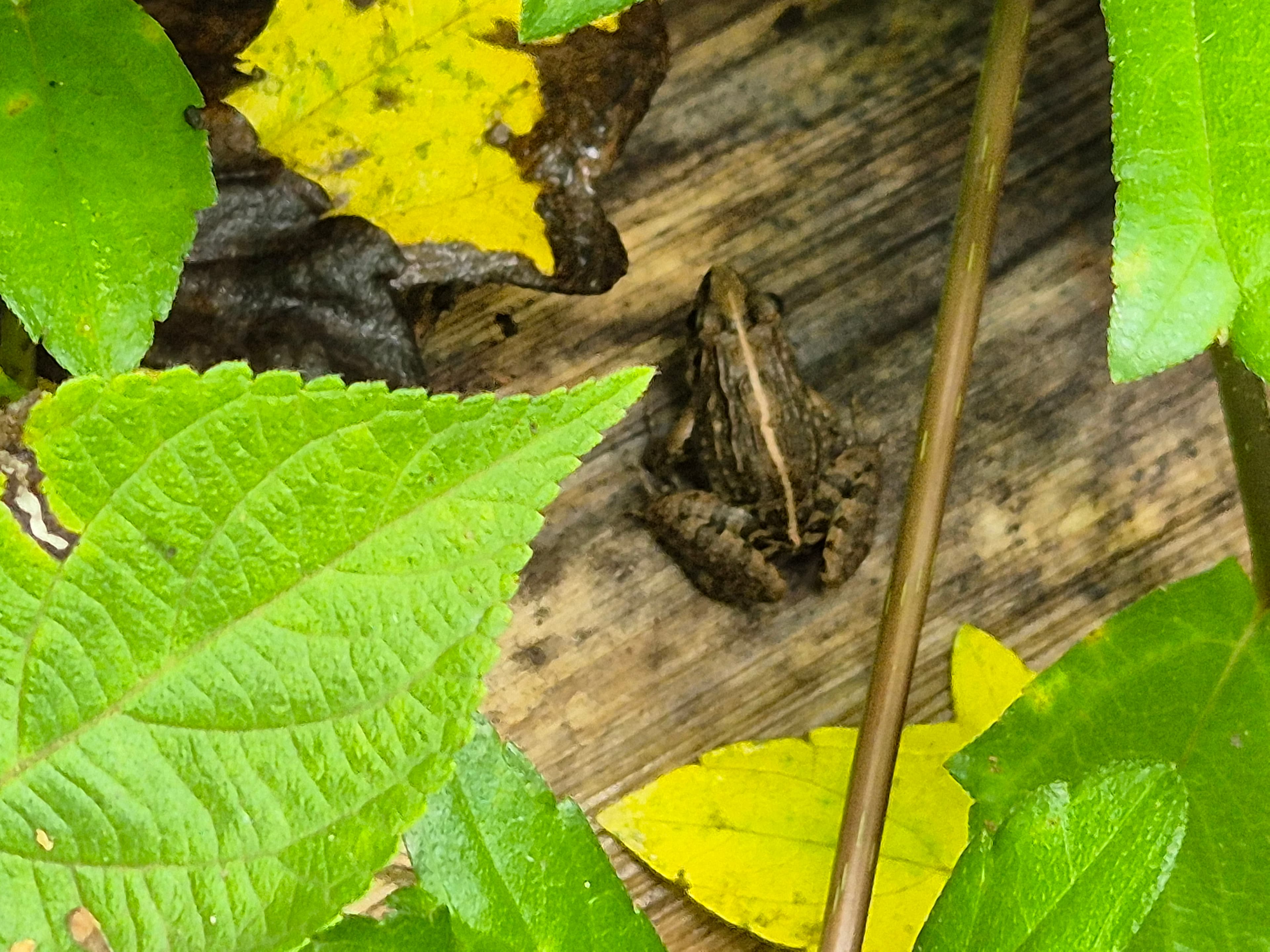
Indian Cricket Frog
Indian Cricket Frog
These tiny amphibians are masters of camouflage, blending seamlessly with the leaf litter to ambush unsuspecting insects.
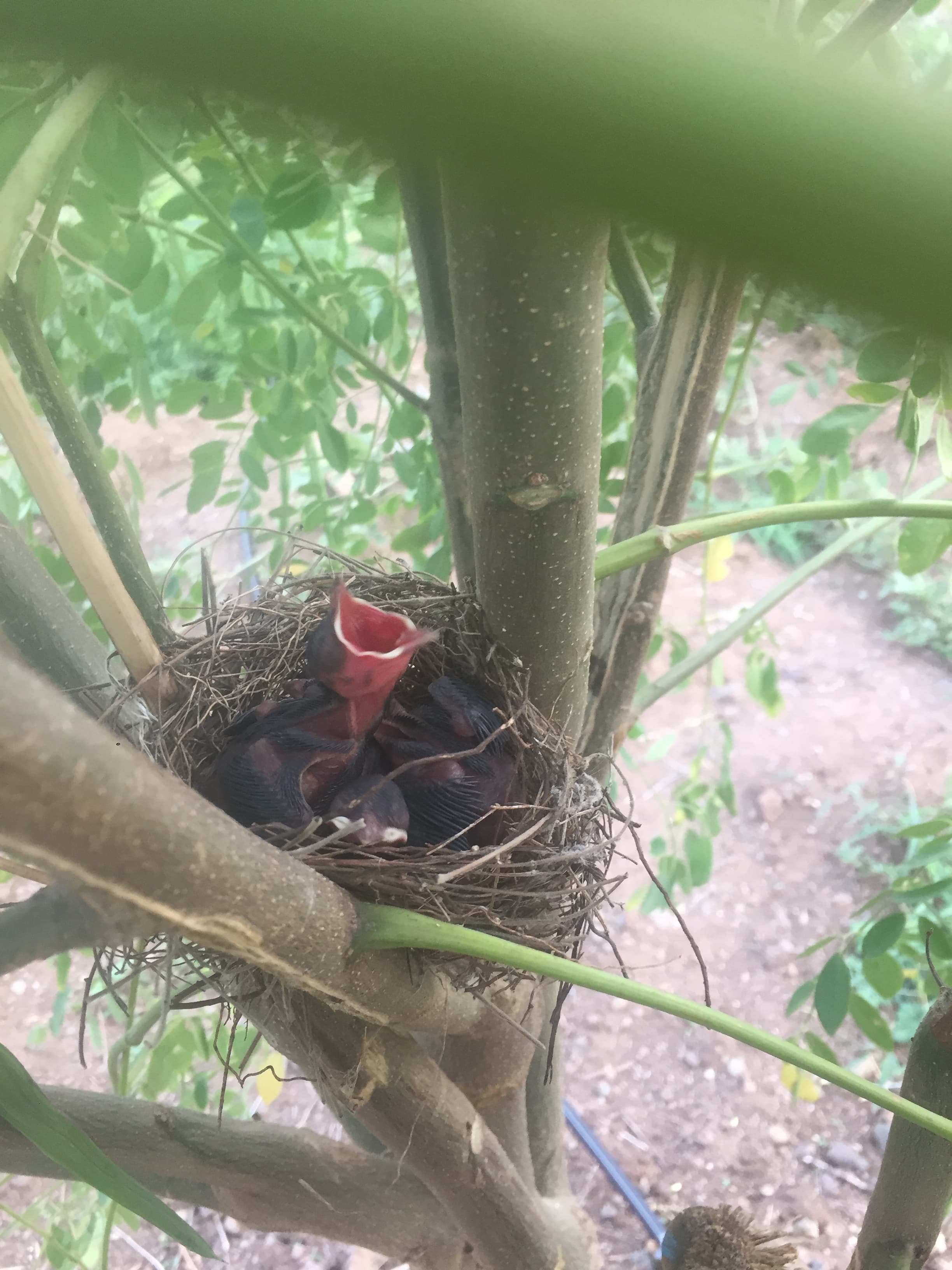
Bulbul Nest
Bulbul Nest
Social songbirds that play a crucial role in seed dispersal, often building cup-shaped nests in the safety of dense shrubs.
Red Wattled Lapwing Eggs
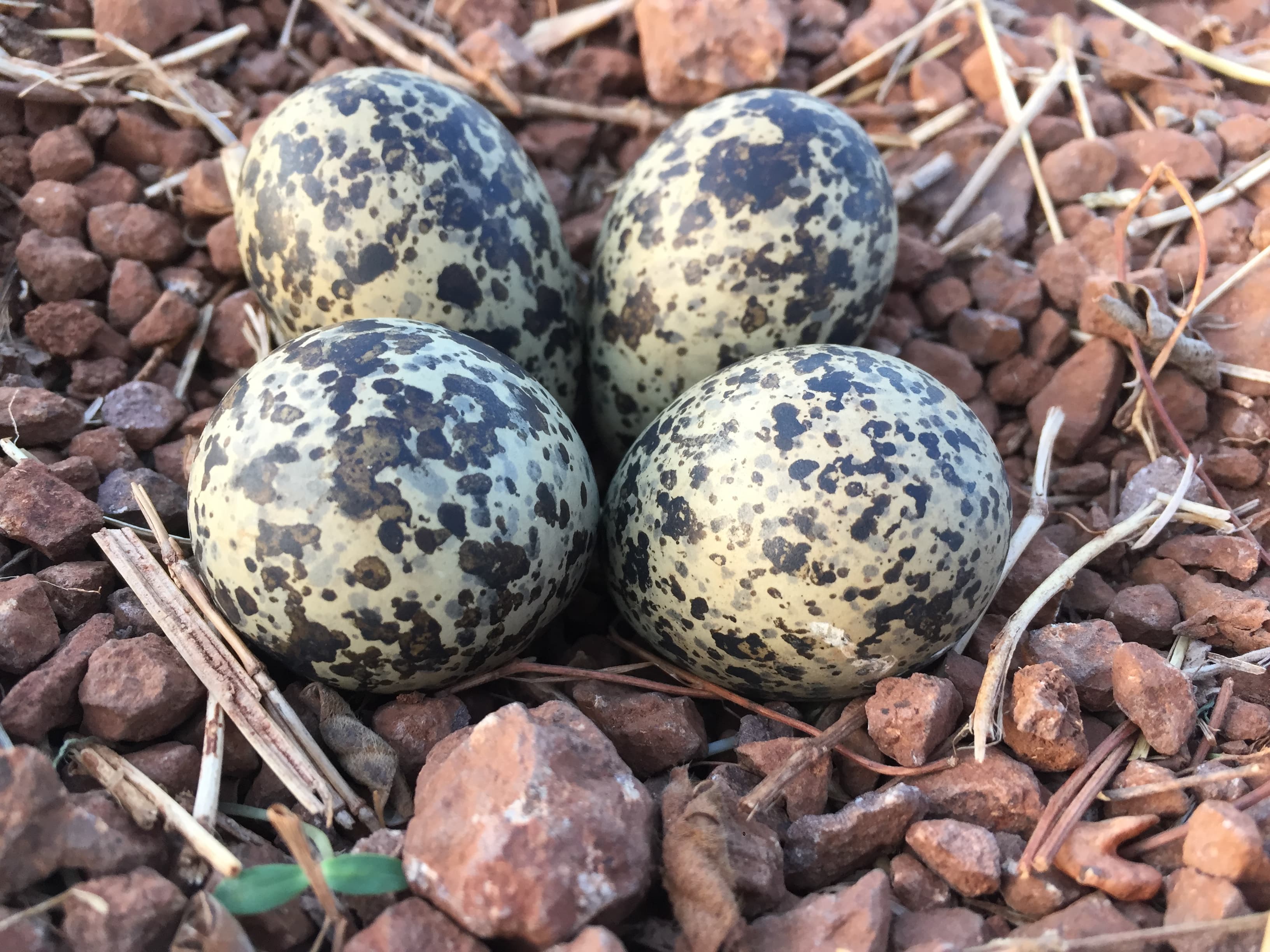
Known for their 'Did-he-do-it' call, these vigilant birds nest on the ground and fiercely distract predators to protect their young.
Baya Weaver
Baya Weaver
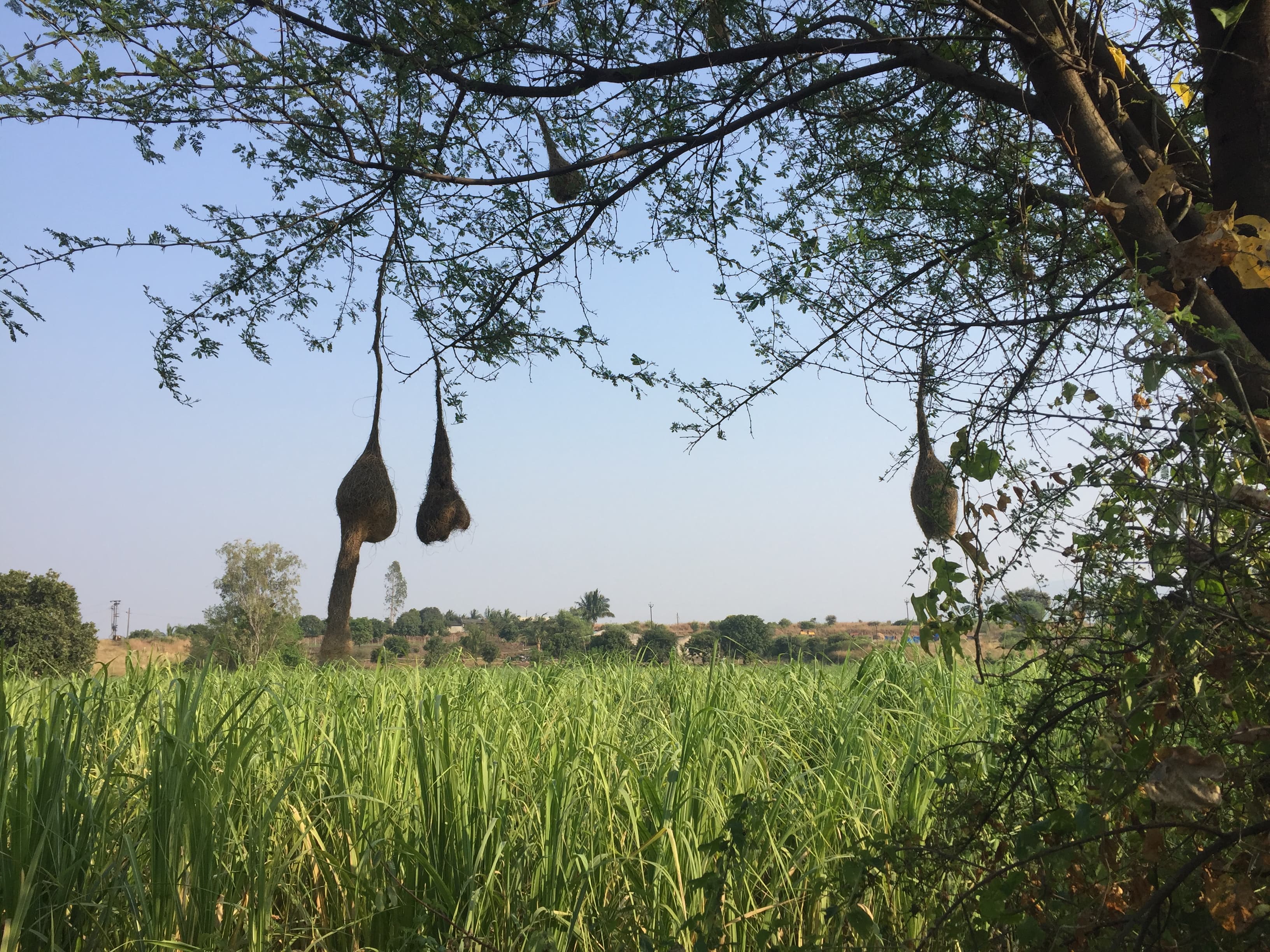
The male Baya Weaver is a master architect, weaving intricate, pendulous nests from grass and leaves to attract a mate.
Soil Life
Earthworm
Earthworm
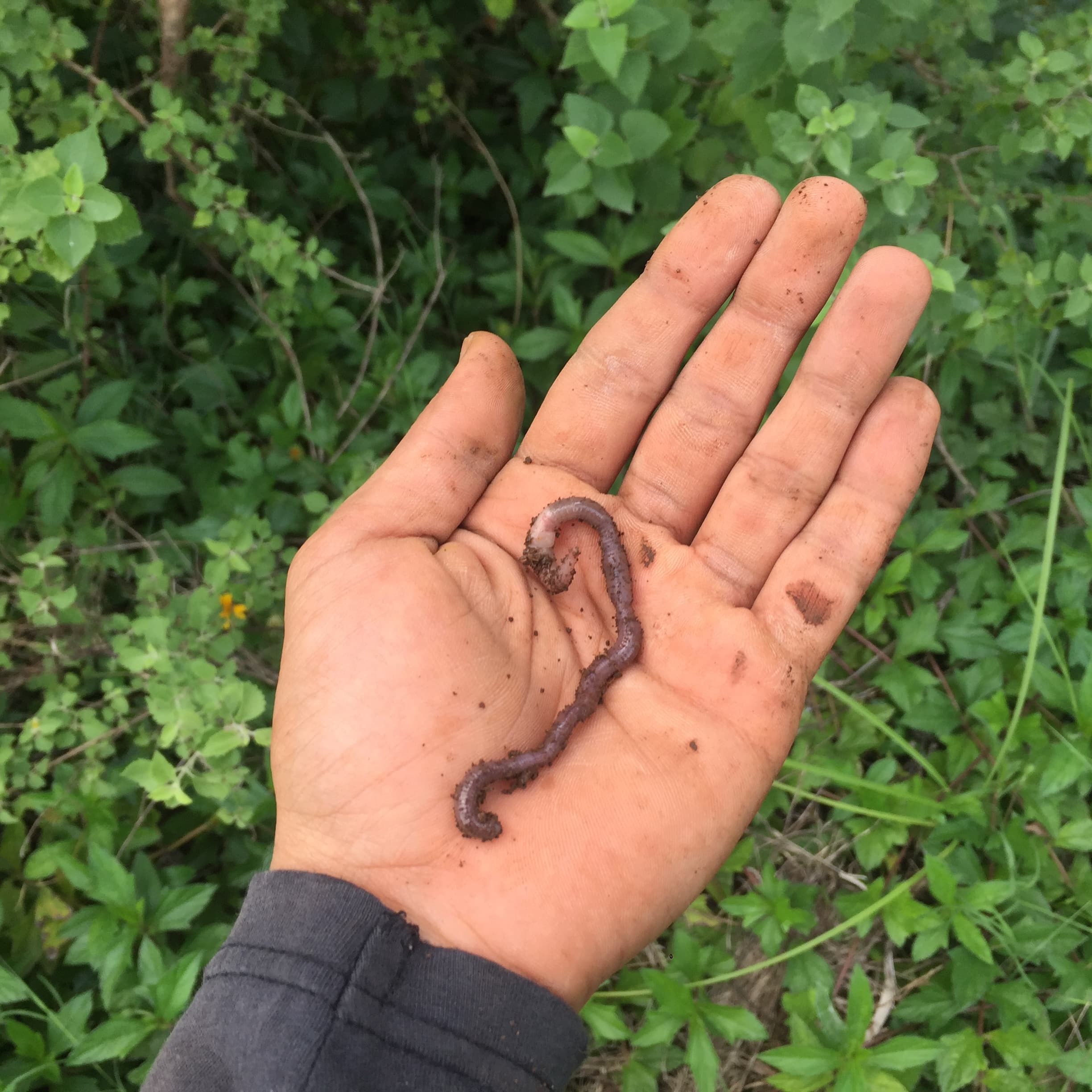
Nature's greatest engineers, they aerate the ground and transform organic waste into gold standard fertilizer known as vermicompost.
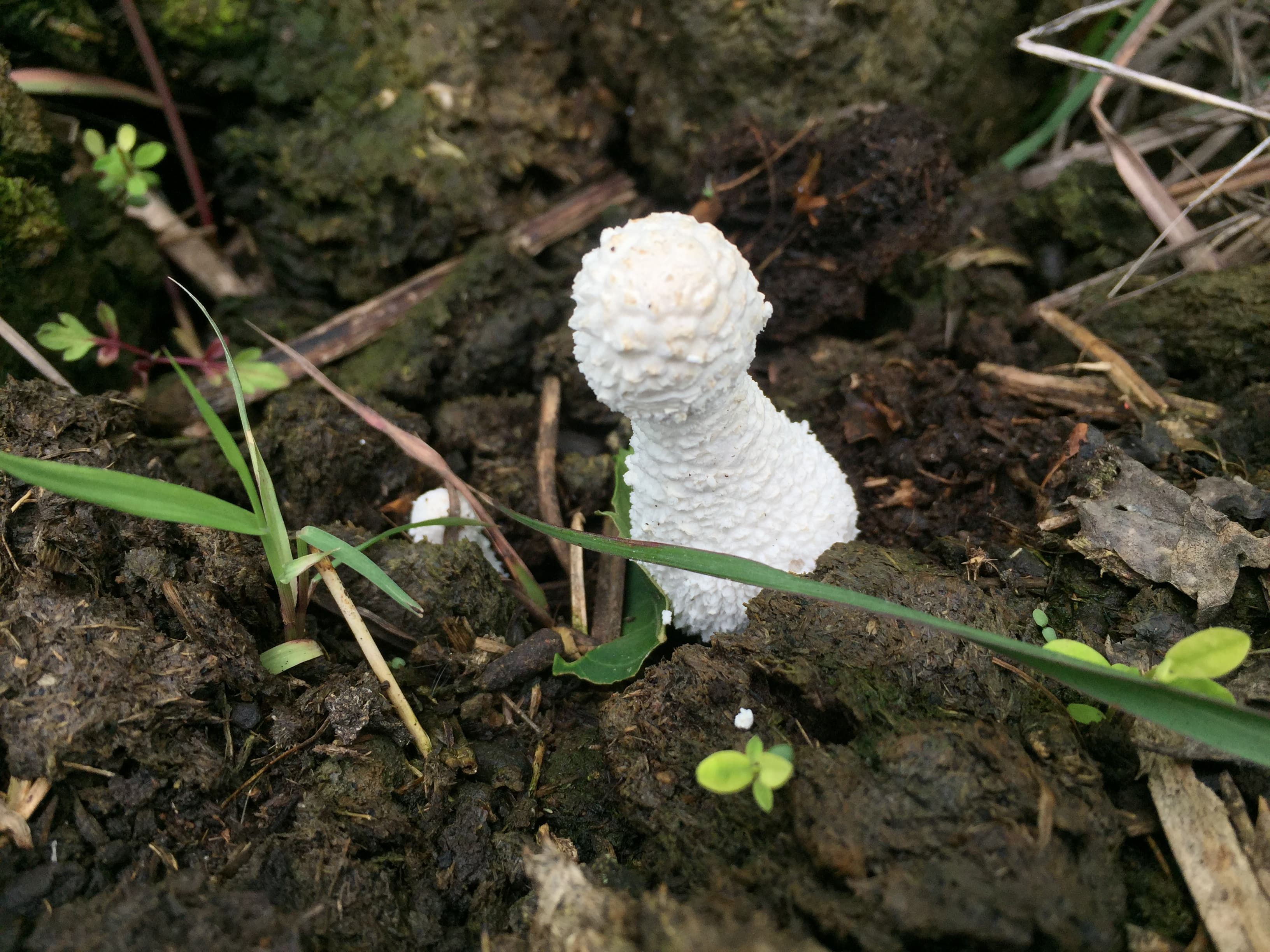
White Chalk Mushroom
Thriving in calcium-rich soils, this fungus aids in breaking down tough organic matter into accessible plant nutrients.
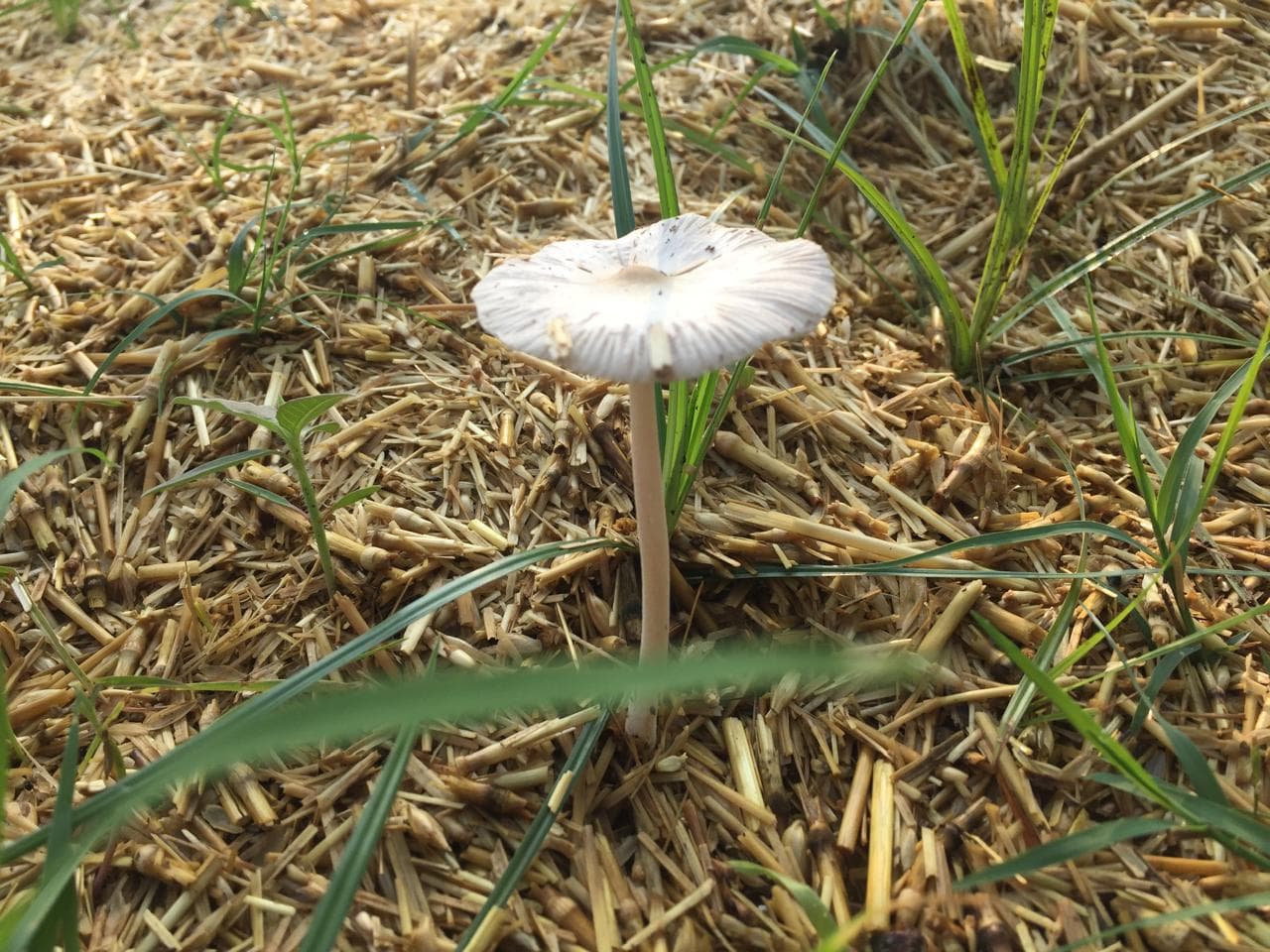
Pleated Inkcap Mushroom
These delicate fungi emerge after rain and self-digest into black ink within hours, signaling high organic matter.